


7 Mistakes I Made in My First Year of Freelancing and How to Avoid Them

Malek Z.
- May 21, 2026
- 6 Min Read
I still think back to those early months and shake my head at some of the choices I made. There I was, fresh off hitting my first thousand dollars as a freelance writer, feeling unstoppable. Then reality hit. I lost a decent client over something silly, spent hours on work that barely paid, and nearly burned out before I even got properly started. That first year was full of lessons, most of them learned the hard way through trial, error, and a fair bit of frustration.
Freelancing looked glamorous from the outside, but the reality involved late nights, awkward client conversations, and figuring out everything on my own. I want to share seven specific mistakes I made during that time as a freelance writer. These are not generic advice. They come straight from my experiences juggling a day job and building this side income. Hopefully they save you some headaches and help you move forward faster.
Mistake 1: Undervaluing My Time and Charging Too Little
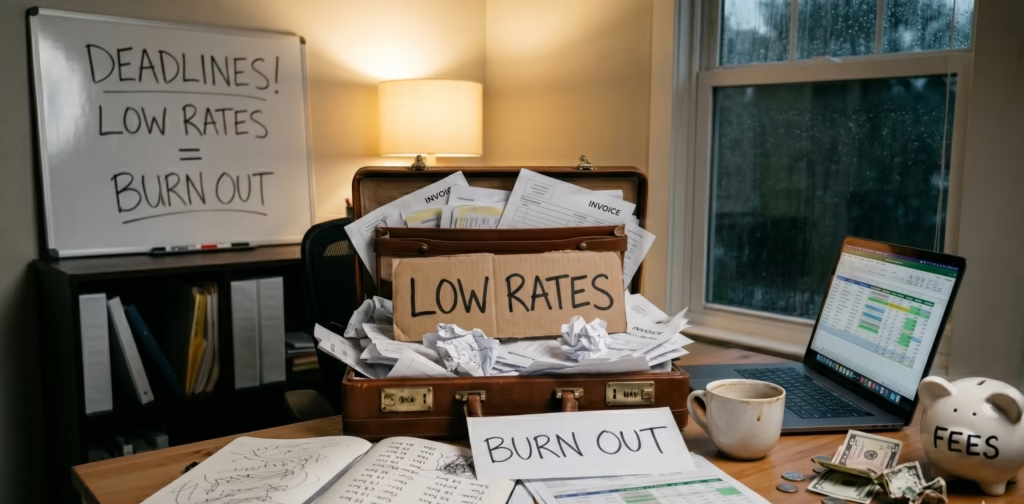
In the beginning I thought any paid work was good work. I took gigs at ten cents a word or less just to build reviews and momentum. One project ended up being a 2,000-word piece that required days of research and interviews. After expenses and time, I barely cleared minimum wage.
It felt exciting to land anything, but it trained clients to expect cheap rates and created a cycle that was tough to break. I wish I had researched typical rates for my niche earlier and started a bit higher once I had a couple of samples.
To avoid this, get clear on your minimum hourly equivalent before accepting work. Even as a beginner, factor in the time for revisions and admin. I eventually raised my rates gradually with each new client, and it made a huge difference in how seriously they took me.
Mistake 2: Saying Yes to Every Opportunity
I was so eager that I agreed to projects outside my comfort zone or interest. One client wanted technical content on software I knew nothing about. I spent way too much time learning basics instead of writing, and the final piece felt flat. The client noticed.
This scattered my focus and made it harder to build real expertise. Now I pause and ask whether the topic aligns with what I actually enjoy and know. It keeps my writing more authentic and efficient.
My advice is to develop a short set of questions for new inquiries. Things like timeline, topic details, and payment terms. If it does not feel right, politely decline. There will be other opportunities.
Mistake 3: Poor Communication and Assuming Clients Could Read My Mind
Early on I hated bothering clients, so I would deliver drafts with minimal updates. One time a client expected weekly check-ins, but I stayed silent for days. They got worried and the relationship soured.
Freelancing runs on trust and clarity. Misunderstandings waste time and money on both sides. I learned to over-communicate at first, especially on scope, deadlines, and revision rounds. Simple updates like “Draft coming by Friday” built reliability.
A good habit is confirming details in writing at the start and using tools like Google Docs for real-time feedback. It prevents most drama.
Mistake 4: Not Setting Boundaries and Burning Out Quickly
I treated every evening and weekend as potential work time because I wanted results fast. There were stretches where I wrote until midnight after my day job, skipped meals, and ignored friends. One week I delivered solid work but felt completely drained and resentful.
Burnout snuck up and affected quality. Now I block specific writing hours and protect personal time fiercely. Even a short walk or proper dinner makes me more creative the next day.
If you are starting, build in rest from day one. Treat freelancing like a real job with start and stop times. Your future self will thank you.
Mistake 5: Failing to Follow Up on Pitches and Leads
I would send a pitch or proposal and then move on if I heard nothing. Dozens of potential gigs faded into silence. One client later told me they were waiting for a follow-up because they got busy. I missed out because I assumed no reply meant no interest.
A gentle follow-up after a week or so made a difference in several cases. Not pushy, just a polite note checking in. I also started tracking pitches in a simple spreadsheet so nothing fell through the cracks.
Mistake 6: Ignoring the Business Side of Freelancing
I focused almost entirely on improving my writing craft and forgot taxes, contracts, invoicing, and saving for slow months. When tax time came, I scrambled to organize everything. A couple of late payments nearly caused cash flow problems.
Freelancing is running a small business. I started using free tools for invoices and set aside a percentage of every payment for taxes and emergencies. Simple contracts or clear email agreements protected me on bigger projects.
Learn the basics of the business end alongside your writing skills. Resources like quick YouTube videos on freelancer taxes or free templates for agreements can save you headaches.
What I Do Differently Now and Extra Tips From Experience
Looking back, those mistakes slowed my progress but taught me resilience. I now niche more deliberately in areas like sustainability and family wellness where my personal background helps. I also make time to connect with other writers for support and ideas.
One thing I added that is not talked about enough is reviewing each month. What worked, what did not, and one small adjustment for next month. It turned chaotic learning into steady growth. Another personal tip: celebrate small wins beyond just money. A kind client note or a piece you are proud of builds confidence when things feel slow.
Freelancing has its rough patches, but fixing these early mistakes made the second year much smoother. If you are in your first year or thinking about starting, expect stumbles. They are part of figuring it out. The key is staying consistent, learning from each one, and keeping your writing genuine. You bring real experiences that no one else has. Use them.