
What to Look for When Buying a Phone in 2026 (Buying Guide from Experience)

Malek Z.
- January 18, 2026
- 6 Min Read
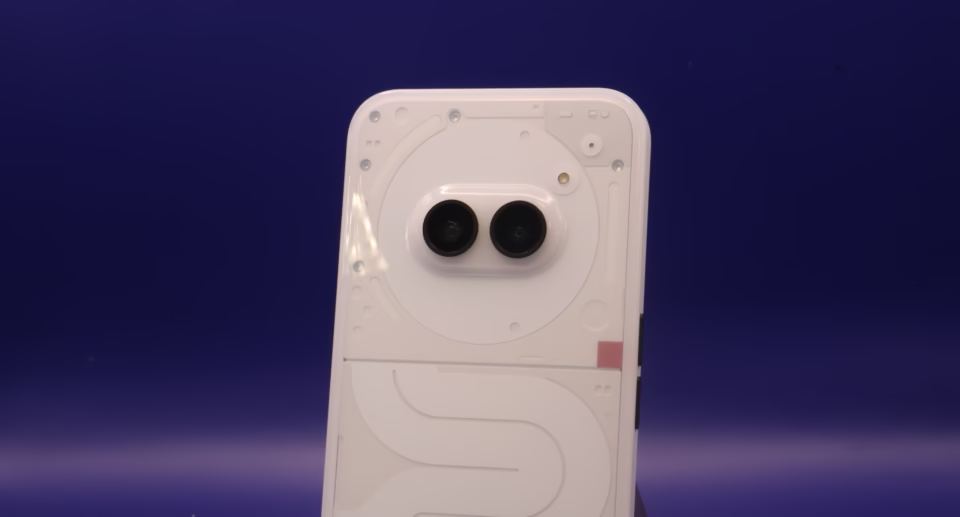
Last year my phone started dying by early afternoon during family outings and I missed a few important client calls because the signal dropped in random spots. After dealing with that frustration for months I finally upgraded and spent time testing a handful of options across different budgets. This guide comes from what I actually learned carrying new phones through real days with kids, writing deadlines, and normal life. No fancy lab numbers here. Just the things that mattered when I was rushing between tasks or trying to capture a quick photo without fuss.
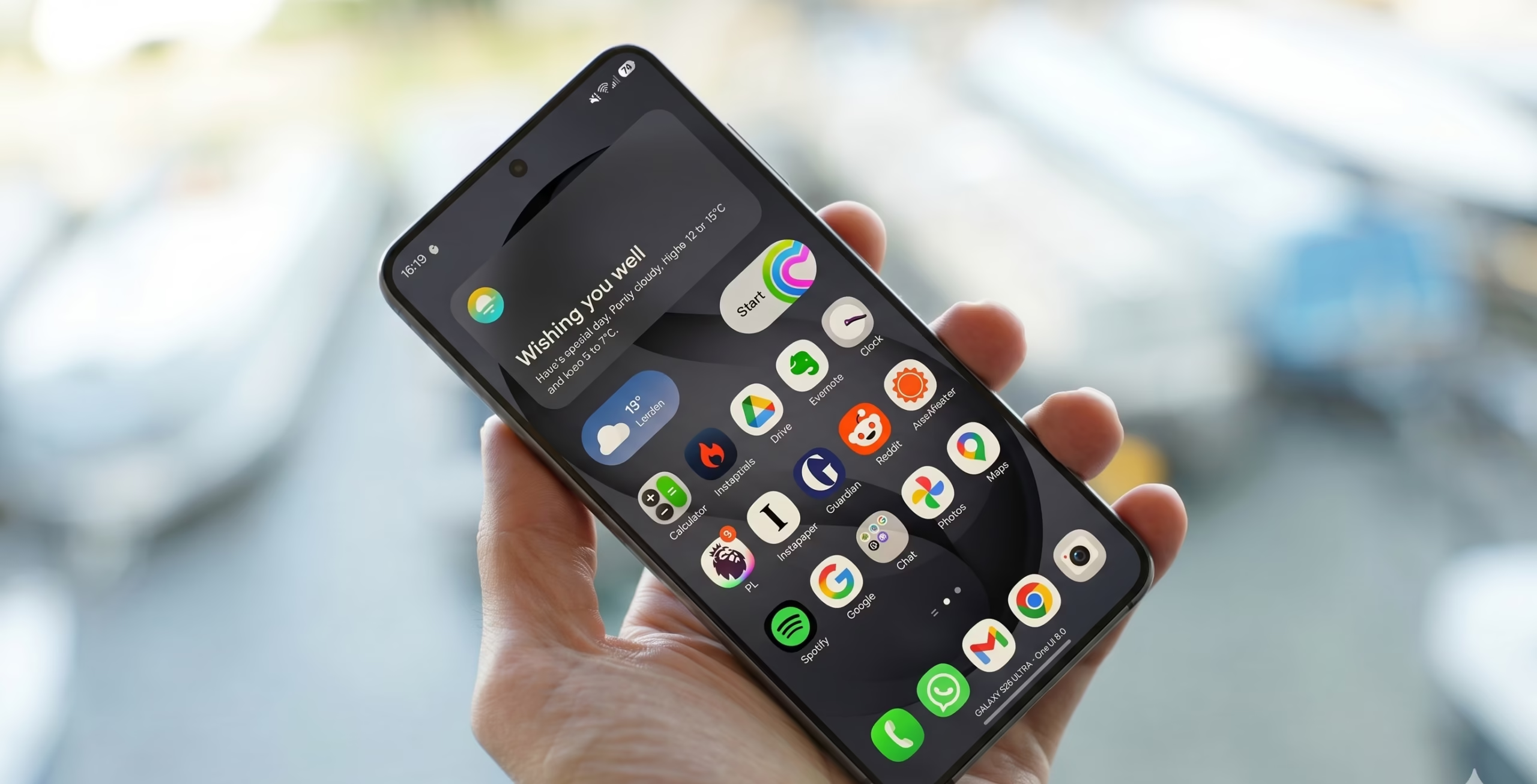
Buying a phone in 2026 feels more overwhelming than ever with all the AI talk, bigger batteries, and foldable options popping up. I made mistakes early on by focusing too much on specs sheets instead of how the phone fit my actual routine. If you are in the market right now this is my honest breakdown of what to pay attention to so you do not end up regretting the purchase six months later.
Start With Your Real Needs and Budget
Before looking at any specs I forced myself to write down what I actually use the phone for most days. Family photos, quick notes for work, maps during drives, and some light streaming in the evenings. That list helped me ignore flashy features I would never touch.
Budget matters a lot because prices have crept up across the board. In 2026 you can still find solid options under 500 dollars that handle daily tasks well, but flagships push higher with all the new AI stuff. I set a realistic ceiling based on how long I planned to keep the phone. Two to three years felt right for me so I looked for models with good long term support.
One thing I wish I had known sooner is that mid range phones have improved enough that they cover most needs without the premium tax. I tested a couple and they handled my writing apps and photo editing without complaint on normal days.
Battery Life Is the Biggest Game Changer Now
This was the top thing I checked after my old phone left me stranded too many times. In 2026 many phones finally deliver full day or even two day use without constant worry. I looked for at least 4500 mAh or real world tests showing strong endurance with mixed use like calls, browsing, and some video.
During testing I paid attention to how the phone handled my routine. One model with efficient software got me through a full day of errands and evening scrolling with plenty left. Bigger batteries in slimmer bodies made a noticeable difference compared to last year. Fast charging became essential too. Thirty minutes to a decent top up saved me on busy mornings.
I also considered battery health over time. Some phones have better optimization to slow down degradation. For parents or people on the go this one factor reduced so much daily stress that it outweighed fancier cameras for me.
Camera Matters But Depends on Your Style
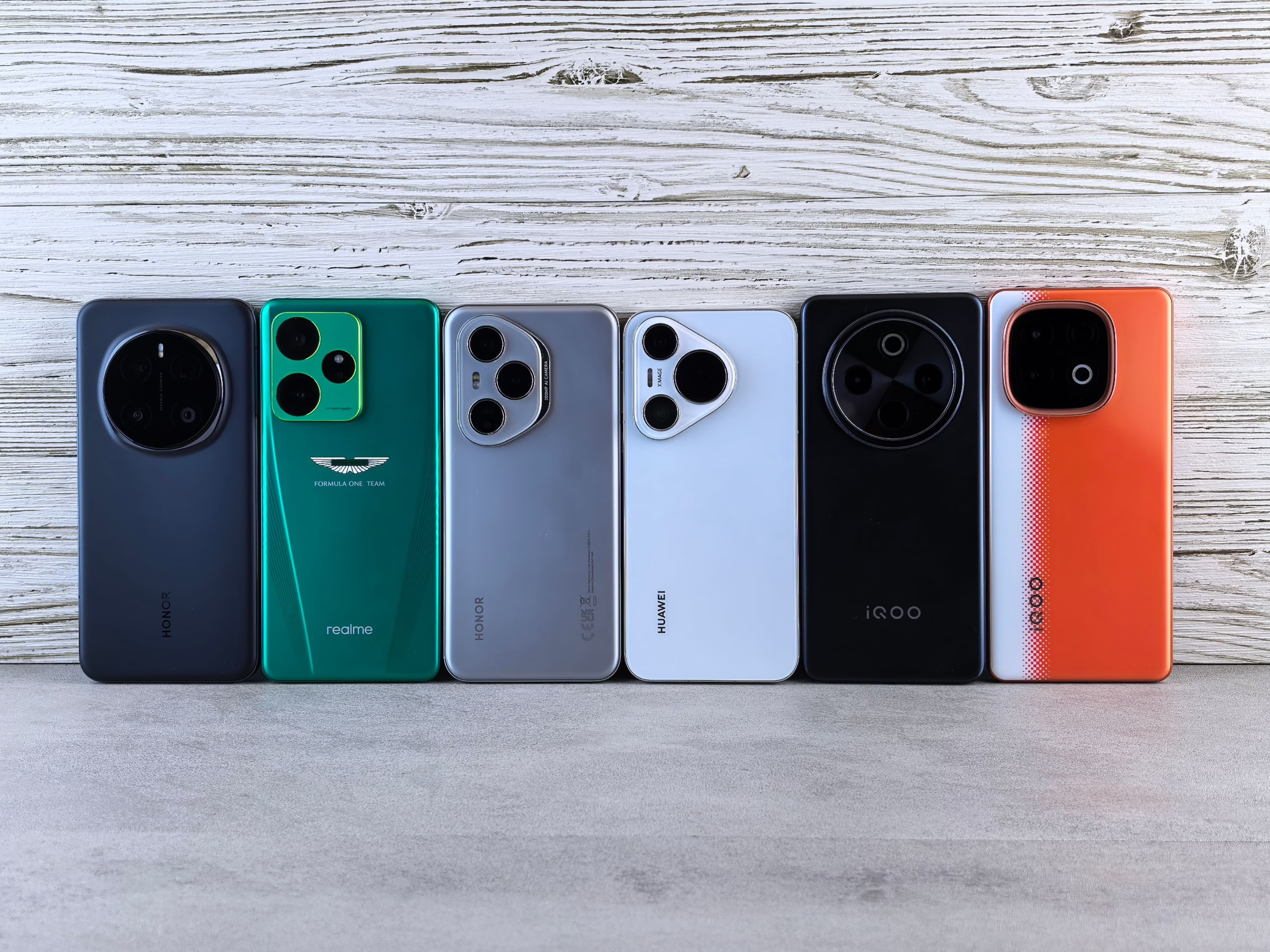
I take a lot of photos of the kids and quick shots for work so camera was high on my list. In 2026 even budget phones take decent daylight pictures but low light and video stabilization still separate the good ones. I tested by shooting the same scenes with different phones and comparing what actually looked usable later.
Natural colors and reliable processing won over raw megapixels. One phone consistently gave me skin tones that looked real without heavy editing. Video needs good stabilization if you film while moving which I do often. Ultrawide lenses helped with group family shots but I did not need periscope zoom for my life.
If photography is not your main thing you can save money here and still get solid results. I learned that over hyped camera setups sometimes drained battery faster without adding much for casual users.
Processor, Storage, and Performance Basics
I do not game heavily but I need smooth multitasking between writing apps, email, and browser tabs. In 2026 mid range chips handle most things fine without lag in daily use. I checked for at least 8GB RAM and 128GB storage as a minimum. More storage helped because I keep research files and photos locally.
Expandable storage or good cloud options made a difference for me. Heat management showed up during longer use. One phone stayed cool while another warmed up noticeably after video calls in the sun. For most people the newest flagship chip is overkill unless you have specific heavy needs.
Software support became a big deal too. Phones promising six or seven years of updates felt like better value because I hate switching devices often.
Display, Build Quality, and Other Practical Stuff
Screen size and quality affect everything from reading articles to watching videos with the kids. I preferred something I could use one handed comfortably but bright enough for outdoor visibility. Higher refresh rates made scrolling feel nicer during long research sessions.
Build quality showed in how the phone handled drops and daily wear. IP68 rating gave peace of mind around water and dust. Weight mattered because I carry it in my pocket all day. Some lighter models felt better during long walks.
AI features are everywhere now but I focused on the useful ones like better photo editing or call summaries instead of gimmicks. Not all delivered real help in my workflow. Carrier compatibility and 5G bands are worth double checking too especially if you travel or live in spotty areas.
Software and Ecosystem Choices
I went back and forth between Android and iPhone but settled based on what I already used. Android gave me more flexibility for customization while iOS felt smoother for simple daily tasks. The ecosystem matters if you have other devices like a tablet or watch.
Clean software without too much bloat kept me coming back. Updates that actually improve things instead of adding clutter made a difference over time. Privacy settings and security also factored in because I handle client info.
Final Advice From My Own Upgrade
After testing and living with different options the phone that stuck for me balanced battery, reliable camera, and smooth performance without extra bulk. It was not the most expensive one but it fit my days without adding stress. Focus on what you do most with the phone and test in store if possible or check return policies.
Do not get lost in spec sheets. Hold the phone, check the weight, and imagine using it during your normal routine. In 2026 there are strong choices at every price point so you can find something that actually improves daily life instead of just looking good on paper.